

Jewelry is one of the most personal accessories anyone can wear. A ring can symbolize love, a necklace can frame the face, a bracelet can become a daily signature, and earrings often define an entire look. But even the most beautiful piece can lose its magic if the size is wrong. Too tight feels uncomfortable. Too loose feels insecure. Perfect sizing, on the other hand, makes jewelry feel effortless, flattering, and wearable for years.
A jewelry sizing guide exists for one simple reason. Fit matters. It affects comfort, appearance, longevity, and confidence. Whether shopping online, gifting someone special, or building a long-term collection, understanding jewelry sizing removes guesswork and prevents costly mistakes.
This guide explores how jewelry sizing works, how to accurately measure different types of jewelry, which factors influence fit, and how to choose sizes that feel just right.
Why Jewelry Sizing Matters More Than Most People Think
Jewelry sizing is often overlooked in favor of design, materials, or trends. Yet sizing determines whether a piece becomes a favorite or stays forgotten.
Proper sizing ensures comfort throughout the day. Rings should not pinch or spin constantly. Necklaces should sit where intended. Bracelets should move naturally without slipping away. Earrings should balance weight and position.
Sizing also protects jewelry. Rings that are too tight experience unnecessary stress. Loose bracelets snag more easily. Necklaces of the wrong length twist and tangle more often.
Perhaps most importantly, jewelry that fits well feels personal. It looks intentional. It complements natural proportions instead of fighting them.
Understanding Standard Jewelry Sizes
Jewelry sizing varies by category, but most pieces follow industry standards.
Rings are measured by inner circumference or diameter. Bracelets are measured by length. Necklaces are measured by chain length. Earrings are typically measured by drop length or diameter.
Different countries use different systems, especially for rings. The United States, the United Kingdom, Europe, and Asia each follow distinct sizing charts. Knowing which system a brand uses is essential when ordering online.
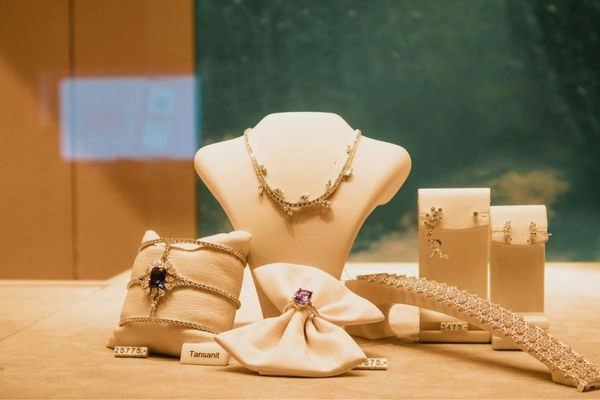
Most reputable jewelers provide conversion charts. These charts translate one sizing system into another, preventing confusion when purchasing internationally.
Ring Sizing Explained
Rings require the most precision. Even a few millimeters can make the difference between comfort and frustration.
How Ring Sizes Work
Ring sizes are based on the inside diameter of the band. In the United States, sizes usually range from 3 to 13, with half and quarter sizes available. European sizes are based on circumference in millimeters. UK sizes use alphabetical letters.
How to Measure Ring Size at Home
There are several reliable methods for finding a ring size.
A printable ring sizer from a jeweler’s website provides a quick option. A ring that already fits well can be placed over printed circles to find a match.
A strip of paper or flexible measuring tape can be wrapped around the base of the finger. The measurement is then compared to a ring size chart.
A ring sizing tool purchased online offers reusable precision and convenience.
The most accurate method remains professional sizing at a jewelry store, especially for valuable or permanent pieces.
Factors That Affect Ring Fit
Finger size changes throughout the day. Heat causes swelling, while cold causes shrinking. Exercise, salt intake, and hydration levels also influence finger size.
The dominant hand is often slightly larger than the non-dominant hand, and knuckles may be wider than the base of the finger.
Wide bands typically fit tighter than thin bands, and wider rings may require a slightly larger size for comfort.
For engagement and wedding rings, lifestyle considerations are essential. Hands-on activities make a slightly looser fit more practical for comfort and flexibility.
Necklace Sizing and Length Guide
Necklace sizing focuses on length rather than circumference. The right length determines where the necklace rests on the body and how it interacts with necklines.
Standard Necklace Lengths
Standard necklace lengths include:
- Choker: 14 to 16 inches
- Princess: 17 to 19 inches
- Matinee: 20 to 24 inches
- Opera: 28 to 36 inches
- Rope: 36 inches or longer
Each length creates a different visual effect. Chokers sit high on the neck. Princess lengths fall near the collarbone. Matinee styles rest at the upper chest. Opera lengths create elegant draping. Rope necklaces offer layering versatility.
How to Measure Necklace Length
A soft measuring tape placed around the neck helps visualize how different lengths will fall. A piece of string can also be used and measured afterward.
Considering height, neck width, and chest shape helps refine the choice. Shorter frames may prefer shorter lengths for balance. Taller frames may enjoy longer chains.
Matching Necklace Length to Necklines
Necklace length should complement clothing.
Chokers pair well with strapless or off-shoulder looks. Princess lengths suit most necklines. Matinee styles work well with high necks or business attire. Opera lengths elevate eveningwear and layered outfits.
Bracelet and Bangle Sizing
Bracelets should move comfortably without slipping off. Bangles require precise hand measurements to pass over knuckles.
How to Measure Bracelet Size
- Wrap a measuring tape around the wrist just below the wrist bone. Add about 1/2 to 1 inch, depending on the desired fit.
- A snug fit adds about half an inch. A comfort fit adds 3/4 inch. A loose fit adds one inch or more.
- Standard women’s bracelets often range from 6.5 to 7.5 inches. Men’s bracelets often range from 7.5 to 8.5 inches.
How to Measure Bangle Size
Measure the widest part of the hand, usually across the knuckles with the thumb tucked in. This measurement determines the bangle’s internal diameter.
Because bangles must slide over the hand, knuckle width matters more than wrist size.
Earring Sizing and Proportion
Earrings do not rely on circumference, but size still plays a crucial role.
Stud earrings are measured by diameter. Hoop earrings are measured by width. Drop earrings are measured by length from the piercing.
Small studs range from 3 to 5 millimeters. Medium studs range from 6 to 8 millimeters. Statement studs range from 9 millimeters and up.
Hoops range from tiny huggies to oversized circles. Drop earrings range from subtle dangles to dramatic shoulder-grazing designs.
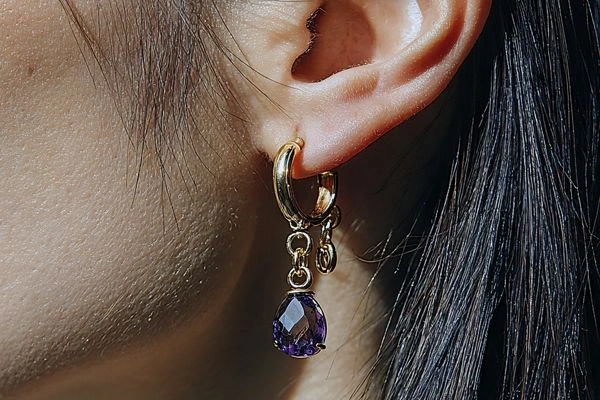
Earring sizing affects comfort, balance, and face framing. Heavier earrings require secure backings and thoughtful proportions.
Anklets and Body Jewelry
Anklets are measured similarly to bracelets. Standard anklets range from 8 to 10 inches, but fit varies based on ankle width and desired drape.
Body jewelry, such as nose rings, belly rings, and cartilage earrings, requires precise gauge and diameter measurements. These pieces should always follow professional sizing recommendations due to safety and comfort.
Jewelry Sizing for Gifts
Buying jewelry as a gift adds complexity. Subtle methods help determine size without revealing surprises.
Borrowing a ring worn on the correct finger and having it professionally measured ensures accuracy.
Observing the lengths of necklaces or the styles of bracelets already worn offers guidance.
When unsure, adjustable jewelry offers flexibility. Chain extenders, adjustable rings, and open bangles reduce risk.
Gift receipts and resizing policies add peace of mind.
Children’s Jewelry Sizing
Children’s jewelry requires extra care. Growth, safety, and comfort must guide sizing.
Children’s rings often range from size 1 to 4. Bracelets range from 5 to 6.5 inches. Necklaces are usually shorter and lightweight.
Adjustable designs work best. Secure clasps and smooth edges are essential.
International Jewelry Size Differences
Ring sizes vary globally.
The United States uses numeric sizes. The UK uses letters. Europe uses millimeter circumference. Japan uses a different numeric scale from the US.
Always consult brand-specific size charts. Do not assume conversions without verification.
How Jewelry Materials Affect Fit
Metal type influences comfort.
Gold and platinum are dense and durable. Sterling silver is softer and more flexible. Titanium is lightweight but rugged, making it easy to resize.
Temperature sensitivity varies. Some metals expand slightly with heat. Some retain temperature longer.
Beaded and leather jewelry may stretch over time. Elastic bracelets loosen with wear.
These factors should influence sizing decisions, especially for everyday pieces.
When to Size Up or Down
Seasonal changes affect finger size. Many people experience swelling in summer and shrinking in winter.
Pregnancy, weight fluctuations, and health changes also affect fitness.
Those between sizes often benefit from choosing the slightly larger option and using sizing beads or guards for adjustment.
Jewelry Sizing Guide: Professional Sizing and Resizing
Professional jewelers use calibrated tools for precise measurements. They account for knuckle width, band thickness, and finger shape.
Resizing services allow rings to be enlarged or reduced in size. However, designs with stones around the whole band, intricate engravings, or alternative metals may limit resizing options.
Knowing this before purchasing prevents disappointment.
Common Jewelry Sizing Mistakes
- Measuring at the wrong time of day leads to inaccurate results. Evening is often best when fingers are average in size.
- Using a string that stretches creates misleading measurements.
- Ignoring bandwidth leads to tightness.
- Guessing sizes for surprise gifts without backup options increases risk.
- Skipping brand size charts leads to ordering errors.
Jewelry Sizing and Online Shopping
- Online jewelry shopping makes sizing knowledge essential.
- Most reputable websites provide printable guides, videos, and live assistance.
- Reviews often reveal whether pieces run small or large.
- Ordering adjustable or easily resizable styles adds security.
The Emotional Side of Jewelry Fit
- Jewelry that fits well disappears into daily life. It becomes part of the routine. It carries memory without discomfort.
- Poorly fitted jewelry becomes distracting. It is adjusted constantly. It feels temporary.
- Perfect fit allows the focus to remain on meaning, beauty, and expression.
Jewelry Sizing and Long-Term Wear
- Fine jewelry is often worn for decades. Comfortable sizing supports longevity.
- Proper fit prevents warping, thinning, and accidental loss.
- It also ensures that jewelry ages gracefully as styles and lifestyles change.
Why Jewelry Size Matters
A jewelry sizing guide is more than a technical reference. It is a foundation for confident choices. Understanding measurements, materials, and proportions transforms jewelry from decoration into experience. Well-sized jewelry feels natural. It supports movement, enhances appearance, and carries meaning without distraction. When the size is correct, jewelry stops feeling like an accessory and becomes part of life.