

The world of diamonds is evolving faster than ever, driven by technology, changing consumer preferences, and a growing awareness of ethics and sustainability. One of the most prominent conversations in jewelry today revolves around lab grown diamonds vs. natural diamonds. To the untrained eye, these two types of diamonds may appear identical. They have the same clarity, sparkle, and brilliance. Yet, behind the glitter, their origins, value, and significance can differ in important ways. Understanding these differences, as well as the qualities they share, can help buyers make confident choices that suit both their budget and personal values.
In recent years, lab grown diamonds have moved from niche to mainstream, with the best lab grown diamonds now offering buyers high-quality options at a more accessible price point. These diamonds are often produced with ethical and environmental considerations in mind, making them especially appealing to modern consumers. Natural diamonds, on the other hand, continue to carry the weight of tradition, rarity, and deep emotional significance. By exploring how each type is created, its appearance, and its broader impact, buyers can navigate the market with clarity and make informed decisions without confusion.
What Are Lab Grown Diamonds?
Lab grown diamonds, sometimes referred to as synthetic diamonds, are real diamonds created in controlled laboratory settings. It’s important to note that they are not imitation stones. Unlike cubic zirconia or moissanite, which only mimic the appearance of diamonds, lab grown diamonds are chemically, physically, and optically identical to natural diamonds.
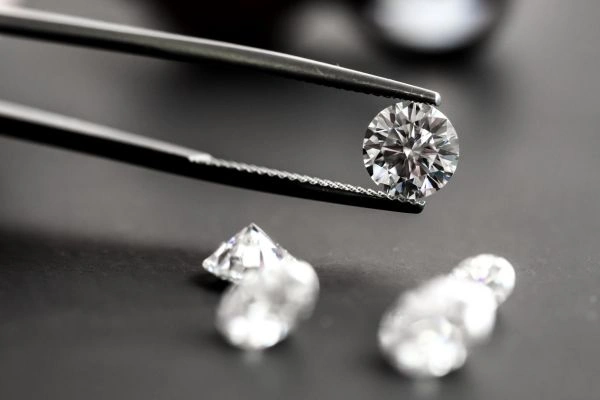
Both lab grown and natural diamonds are made of pure carbon arranged in a perfect crystal lattice. This structure is what gives diamonds their renowned hardness, brilliance, and fire. Because of this, lab grown diamonds can be cut, polished, and set just like natural diamonds, and they exhibit the same optical qualities.
There are two primary methods used to produce lab grown diamonds:
- High Pressure High Temperature (HPHT) – This method mimics the intense heat and pressure conditions that occur deep within the Earth. Carbon is placed in a pressurized chamber, where it gradually forms into a diamond crystal.
- Chemical Vapor Deposition (CVD) – This technique grows diamonds layer by layer in a chamber filled with carbon-rich gas. Using a carefully controlled process, the carbon atoms settle on a seed crystal, gradually forming a complete diamond.
No matter which method is used, the result is a diamond that is indistinguishable from a mined stone to the naked eye.
Are Lab Grown Diamonds Real?
Many first-time buyers wonder if lab grown diamonds are real. The answer is a definitive yes. Lab grown diamonds are real diamonds in every important way. They share the same hardness, sparkle, and chemical composition as diamonds mined from the earth.
Professional diamond testers cannot reliably differentiate between lab grown and natural diamonds using conventional tools. The distinction lies in the process of formation rather than the finished product. While natural diamonds take millions to billions of years to form deep underground, lab grown diamonds can be created in a matter of weeks or months.
This accelerated growth does not diminish the value of the stone in terms of beauty, durability, or functionality. For many buyers, the fact that these diamonds are both real and more accessible adds significant appeal.
How Natural Diamonds Form
Natural diamonds have a fascinating origin story that spans geological time. They begin deep beneath the Earth’s surface, in regions where carbon is exposed to intense heat and pressure. Over millions of years, this carbon gradually forms into diamond crystals. Volcanic activity or tectonic shifts eventually bring these diamonds closer to the surface, where mining operations can extract them from kimberlite pipes or alluvial deposits.
Each natural diamond is unique, often containing inclusions, growth lines, and other markers that tell a story of its long geological journey. This history contributes to the sense of rarity and emotional value many people attach to mined diamonds. In some cases, diamonds are prized as family heirlooms, connecting generations through a tangible piece of the Earth’s history.
Lab Grown Diamonds vs Natural Diamonds: Appearance and Quality
When it comes to appearance, lab grown and natural diamonds are often indistinguishable. Both types rank 10 on the Mohs hardness scale, making them extremely durable and resistant to scratching. Both can reflect light with the dazzling brilliance and fire that diamonds are known for.
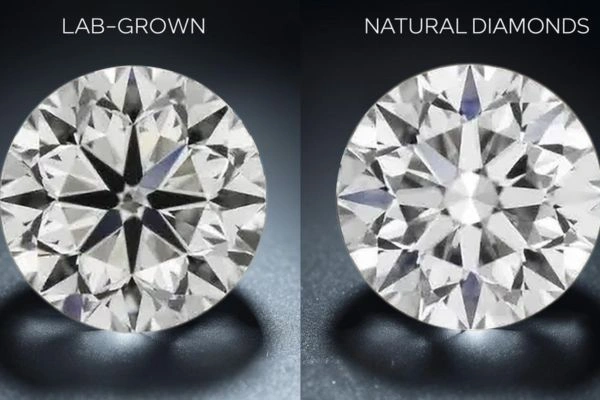
The sparkle and visual appeal of a diamond depend less on its origin and more on its cut quality and proportions. A well-cut lab grown diamond can outshine a poorly cut natural diamond of the same carat weight. Even trained gemologists often rely on specialized equipment rather than visual inspection alone to distinguish between the two.
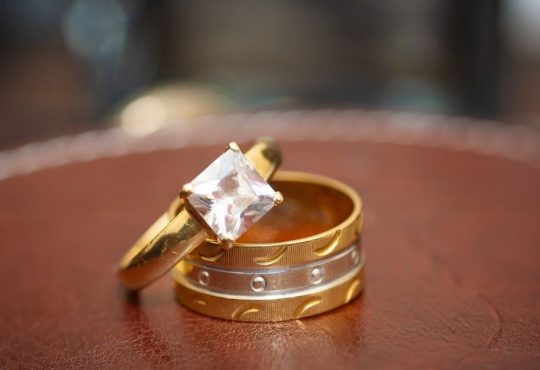
This equivalence in appearance is one reason why lab grown diamonds are increasingly popular for engagement rings, wedding bands, and fine jewelry. They offer the same optical qualities as natural diamonds at a more accessible price point.
Price and Value Differences
One of the clearest differences between lab grown and natural diamonds is price. Because lab grown diamonds do not require expensive mining operations or long supply chains, they are generally 40% to 80% less expensive than equivalent natural diamonds. This lower cost allows buyers to choose larger or higher-quality stones without stretching their budget.
Natural diamonds, in contrast, are valued for their rarity and historical market demand. They often hold their value better over time and are seen as an investment in a tangible, finite resource. Lab grown diamonds, while real, may depreciate faster, especially as technology improves and production scales up.
For buyers, the decision often comes down to whether resale value or affordability is a priority. Those focused on long-term investment may lean toward natural diamonds, while those seeking size, quality, and ethical considerations may find lab grown diamonds more appealing.
Ethical and Environmental Considerations
Ethics and environmental impact play an increasingly important role in diamond buying decisions. Traditional diamond mining can disrupt ecosystems, displace communities, and raise concerns about labor practices. In contrast, lab grown diamonds eliminate the need for large-scale excavation, reducing many environmental and social risks.
That said, lab grown diamonds are not automatically a zero-impact choice. Energy consumption in production and the sourcing of materials can vary between manufacturers. Many consumers, however, appreciate that lab grown diamonds offer a lower-impact alternative while maintaining the beauty and quality of natural diamonds.
Certification and Buying With Confidence
Whether purchasing a lab grown or natural diamond, certification provides essential transparency. Reputable gemological labs, including the Gemological Institute of America (GIA) and the International Gemological Institute (IGI), assess diamonds using the standard 4Cs: carat, cut, clarity, and color.
Certification ensures buyers can compare stones accurately and avoid surprises about quality. Both lab grown and natural diamonds can receive top grades, making it easier to find a stone that meets specific preferences. Certification adds confidence to a purchase and protects buyers from misleading marketing claims.
Best Lab Grown Diamonds: Key Factors to Look For
When seeking the best lab grown diamonds, the same criteria apply as with natural stones. The cut has the greatest impact on a diamond’s brilliance. A smaller, well-cut stone can appear more dazzling than a larger one with a poor cut. Clarity and color remain important considerations, especially for stones meant to be worn daily.
Many buyers turn to online inventories from trusted retailers, where lab grown diamonds come with full certification and detailed specifications. Transparent pricing, verified grading reports, and clear return policies make the buying experience secure and satisfying.
Common Misconceptions About Lab Grown Diamonds
Several myths continue to surround lab grown diamonds:
- “They’re fake or inferior” – In reality, lab grown diamonds are chemically and physically identical to natural diamonds. Their sparkle and durability are fully authentic.
- “They don’t hold value” – While resale may be slower or less predictable, the value for personal enjoyment, aesthetics, and ethical considerations remains high.
- “They look different” – Appearance is dictated by cut, clarity, and color, not origin. A well-cut lab grown diamond often appears more brilliant than a poorly cut natural stone.
Dispelling these myths helps buyers approach lab grown diamonds with confidence and informed judgment.
Market Trends and Consumer Preferences
Industry data shows a growing acceptance of lab grown diamonds in recent years. Buyers motivated by affordability, ethical sourcing, and larger stone size often choose lab grown diamonds. Meanwhile, natural diamonds continue to appeal to collectors, traditionalists, and those seeking a long-term investment.
Major jewelry retailers now offer both types side by side, signaling the mainstream legitimacy of lab grown diamonds. This expanded choice empowers consumers to make decisions based on personal priorities rather than market limitations.
When Natural Diamonds Still Shine Bright
Despite the rise of lab grown options, natural diamonds remain symbolically and financially significant. Their rarity, connection to geological history, and association with tradition make them meaningful in ways lab grown diamonds cannot fully replicate. Many buyers treasure natural diamonds for legacy jewelry passed down through generations.
In the resale market, natural diamonds often retain higher value, particularly for stones with unique characteristics, provenance, or historical significance. Collectors and enthusiasts often prioritize these aspects, reinforcing the continued demand for mined diamonds.
Tips for Choosing Between Lab Grown and Natural Diamonds
Choosing between lab grown and natural diamonds comes down to personal priorities:
- Affordability and ethical concerns – Lab grown diamonds often offer larger stones, lower prices, and reduced environmental impact.
- Tradition and long-term value – Natural diamonds carry historical significance, scarcity, and stronger resale potential.
Seeing stones in person, consulting grading reports, and working with experienced jewelers can help buyers feel confident. Knowledge is the best tool for making a choice that aligns with personal taste, values, and budget.
Choosing the Right Diamond for You
Lab grown diamonds and natural diamonds both shine with timeless beauty. Each represents a real, high-quality diamond, but they serve different needs. Lab grown diamonds make diamond ownership more accessible, often align with ethical and environmental values, and allow buyers to choose larger stones for the same budget. Natural diamonds continue to embody rarity, tradition, and long-term investment potential.
Understanding formation, appearance, value, and certification empowers buyers to make choices based on clear information rather than marketing hype. Whether selecting a lab grown or natural diamond, the ultimate goal is to find a stone that captures personal taste, meaningful moments, and lasting joy.
In today’s diamond market, there is no one-size-fits-all answer. Both types coexist, each offering unique advantages. The best diamond is the one that reflects the wearer’s values, celebrates special milestones, and continues to bring delight for years to come.